Source New 220V Pencil Machine for Hotels, Retail, Home Use
Compare 30 listings for a New 220V Pencil Machine designed for hotels, retail stores, and home use. Buyers can review specifications like voltage, output speed, and raw material compatibility to find the right equipment for their production needs.
Key considerations
Products List

$4000.00 - $5000.00
MOQ: 1 Sets


Factory Supply Pencil Production Machine / Automatic Pencil Production Line
$4194.00 - $5033.00
MOQ: 1 set

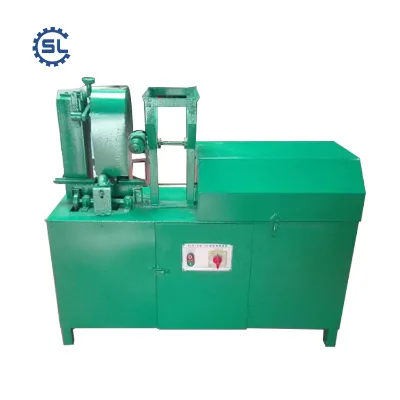

High Productivity Automatic Pencil Production Line / Pencil Production Machine
$4194.00 - $5033.00
MOQ: 1 set

Pencil Sharpener Machine / Factory Price Pencil Sharpener Making Machine
$20000.00 - $22000.00
MOQ: 1 Sets


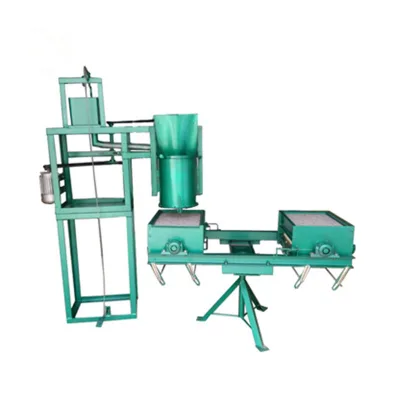


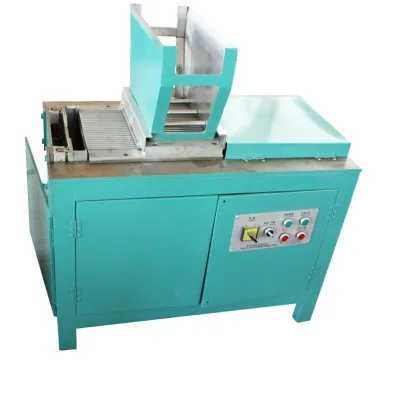

Comprehensive Sourcing Guide
New 220V Pencil Machine Sourcing Guide
Procuring a New 220V Pencil Machine requires a careful balance between electrical compatibility, production capacity, and mechanical reliability. The term "pencil machine" in the current industrial marketplace often refers to automated systems capable of producing wooden pencils, mechanical pencils, or even specialized paper-based writing instruments. Buyers must first clarify the specific output they intend to manufacture, as the machinery for producing traditional wooden pencils differs significantly from equipment designed for plastic or mechanical variants. The voltage specification of 220V is a critical constraint, particularly for buyers operating in regions with single-phase power grids, as it dictates the type of motor and electrical infrastructure required for installation.
This guide focuses on the technical and commercial realities of sourcing these machines, drawing from observed market data and standard industry practices. The available inventory shows a wide variance in machine weights, power consumption, and output speeds, indicating that "220V pencil machine" is a broad category encompassing everything from small-scale prototype units to high-volume industrial lines. Understanding these distinctions is essential for aligning the purchase with your facility’s power capacity and production goals. The following sections provide a structured approach to evaluating suppliers, verifying specifications, and mitigating procurement risks.
Product Scope and Observed Listing Signals
The current market for pencil manufacturing equipment displays a diverse range of product types, including dedicated pencil machines, eraser machines, and paper folding units that may be part of a larger production line. Observed listings indicate that products are generally categorized as "New" and often feature customization options for branding and color, suggesting that many suppliers offer OEM services. The core components of these machines frequently include motors, which are central to the mechanical operation of the equipment. Buyers should note that while some listings describe the product as a "Pencil Machine," others may refer to it as a "Paper Pencil Machine" or include processes like paper folding, indicating a potential overlap in terminology between wooden pencil production and paper-based writing instrument manufacturing.
Electrical specifications vary significantly across the observed inventory, with voltage ratings listed as 220V, 380V, or dual-voltage options like 220V/380V. This variability highlights the importance of verifying the exact power requirements before placing an order, as a machine listed as 220V may have different configurations for different markets. Power consumption also ranges widely, with observed values including 7.5kw and 45kw, which directly impacts operational costs and electrical infrastructure needs. Additionally, the raw materials processed by these machines can include waste paper or plastics like PP and PE, further diversifying the scope of what is marketed under the general term "pencil machine."
Technical Specifications to Verify
When evaluating a New 220V Pencil Machine, the first technical parameter to verify is the electrical configuration. While the core keyword specifies 220V, buyers must confirm whether the machine operates on single-phase or three-phase power, as this affects the installation complexity and cost. Observed data shows that some machines are rated for 380V/50Hz/3p, which is incompatible with standard 220V single-phase outlets without significant electrical upgrades. Therefore, it is crucial to request a detailed electrical schematic from the supplier to ensure the machine’s voltage and frequency requirements match your facility’s power supply. Mismatches in voltage or phase can lead to motor damage or inefficient operation.
Production capacity and speed are equally critical technical factors. Listings indicate output rates ranging from 30-200kg/H to specific piece counts like 60-70 PCS/Min or 200 PCS/Time for cutting operations. These figures represent different stages of the manufacturing process, such as raw material processing, shaping, or finishing. Buyers should clarify which stage the quoted speed refers to and whether the machine includes integrated sub-processes like drying or shrinking. Furthermore, the physical dimensions and weight of the machine, which can range from 50kg to 650kg, must be considered in relation to your factory floor space and load-bearing capacity. A machine with a footprint of 6.51.81.9m requires substantial space and may need specialized handling equipment for installation.
Compliance and Safety Documentation
Safety and regulatory compliance are non-negotiable aspects of industrial machinery procurement. Buyers should insist on receiving a Machinery Test Report, which provides evidence that the machine has undergone functional and safety checks prior to shipment. This document is a key indicator of the supplier’s quality control processes and helps ensure that the machine meets basic operational standards. Additionally, certification marks such as CE are commonly observed in listings, indicating that the machine may comply with European health, safety, and environmental protection standards. However, buyers must verify the validity of these certifications and ensure they are applicable to the specific model and voltage configuration being purchased.
Beyond certifications, buyers should request detailed safety manuals and operational guidelines that outline emergency stop procedures, maintenance intervals, and hazard warnings. The presence of core components like motors requires specific attention to electrical safety and grounding protocols. Suppliers should provide clear documentation on how to maintain these components, including warranty terms that typically cover core parts for one year. Understanding the warranty coverage is essential for long-term cost management, as it defines the supplier’s responsibility for repairs or replacements of critical mechanical and electrical parts.
Cost Drivers and Commercial Terms
The cost of a New 220V Pencil Machine is influenced by several factors, including power consumption, production capacity, and the level of customization offered. Machines with higher power ratings, such as those consuming 45kw, generally command higher prices due to the increased material and engineering costs associated with robust motors and electrical systems. Similarly, machines with higher output speeds or integrated multi-stage processes, such as those combining erasing, cutting, and shrinking functions, will be more expensive than single-function units. Buyers should request a detailed breakdown of costs to understand how pricing correlates with specific features and capabilities.
Packaging and shipping are also significant cost drivers, particularly for heavy machinery. Observed packing methods include wooden cases, wooden boxes, and wood bottom cases, which are designed to protect the machine during transit. The weight of the machine, ranging from 50kg to 650kg, directly impacts freight costs and handling requirements. Buyers should clarify whether the quoted price includes packaging and shipping or if these are separate line items. Additionally, the Minimum Order Quantity (MOQ) can vary, with observed ranges from 1 to 5000 units, affecting the unit price and negotiation leverage. Understanding these commercial terms helps in budgeting for the total cost of ownership, including installation and logistics.
Supplier Qualification and Quality Control
Selecting a reliable supplier is crucial for ensuring the long-term performance of your pencil machine. Buyers should verify the supplier’s manufacturing capabilities and quality control processes, looking for evidence of standardized production and testing procedures. The availability of customization options, such as logo printing and color customization, suggests that many suppliers are equipped to handle OEM requests, but buyers should assess the supplier’s ability to maintain consistent quality across customized orders. Requesting references or case studies from previous clients can provide insights into the supplier’s reliability and after-sales support.
Quality control should extend to the pre-shipment inspection process. Buyers should consider hiring a third-party inspection service to verify that the machine meets the agreed-upon specifications, including voltage, power, and output speed. This step can help identify potential defects or discrepancies before the machine is shipped, reducing the risk of costly delays or replacements. Additionally, buyers should evaluate the supplier’s responsiveness and technical support capabilities, as these factors are critical for resolving any issues that may arise during installation or operation. A supplier with a strong track record of customer support can significantly enhance the procurement experience.
Long-Term Procurement Checks
Long-term success with a New 220V Pencil Machine depends on effective maintenance and operational management. Buyers should establish a preventive maintenance schedule based on the supplier’s recommendations, focusing on key components like motors and electrical systems. Regular maintenance can extend the lifespan of the machine and prevent unexpected downtime, which is critical for maintaining production efficiency. Buyers should also ensure that spare parts are readily available, either through the supplier or local distributors, to minimize repair times in case of component failure.
Furthermore, buyers should monitor the machine’s performance over time, tracking metrics such as output speed, energy consumption, and defect rates. This data can help identify trends and potential issues early, allowing for proactive adjustments to the production process. As technology evolves, buyers should also consider the potential for future upgrades or modifications to the machine, ensuring that it remains compatible with new materials or production requirements. By maintaining a proactive approach to machine management, buyers can maximize the return on their investment and sustain high-quality production standards.
FAQs
What is the voltage requirement for the pencil machine?
The machine operates on 220V or 380V voltage depending on the specific model configuration. Some units are rated for 380V/50Hz/3p while others support 220V/380V to ensure compatibility with various industrial power standards.
Can the machine be customized with a specific logo?
Yes, logo customization is available for this pencil production equipment. Buyers can request specific branding on the machine or the resulting products, and the color can also be customized to match corporate identity requirements.
What is the output capacity of the pencil cutting machine?
The pencil cutting machine processes approximately 200 pieces per time cycle. This high-speed capability ensures efficient production volumes suitable for commercial manufacturing needs and large-scale promotional item distribution.
Is the machine suitable for processing waste paper materials?
Yes, the equipment is designed to process waste paper as its primary raw material. This eco-friendly feature allows manufacturers to recycle paper into new pencils, supporting sustainable production practices and reducing material costs.
What certifications does the pencil machine hold?
The machine comes with CE certification to meet international safety and quality standards. Additionally, a machinery test report is provided to verify performance metrics and ensure the equipment operates reliably under specified conditions.
How is the machine packaged for shipping?
Each unit is packed in a sturdy wooden case or wooden box for safe transport. This robust packaging protects the machinery during transit and ensures it arrives in perfect condition for immediate installation and operation.
What is the warranty period for core components?
The warranty for core components covers a period of one year from the date of purchase. This guarantee provides buyers with peace of mind regarding the durability and reliability of essential machine parts.